


SWITCH TO PHOTOVOLTAIC
The sun, an inexhaustible source of energy
Consuming the electricity you produce yourself is possible! Become an actor in your energy consumption thanks to your solar panel installation which will power the electrical appliances in your home and reduce your electrical energy consumption on your bill.
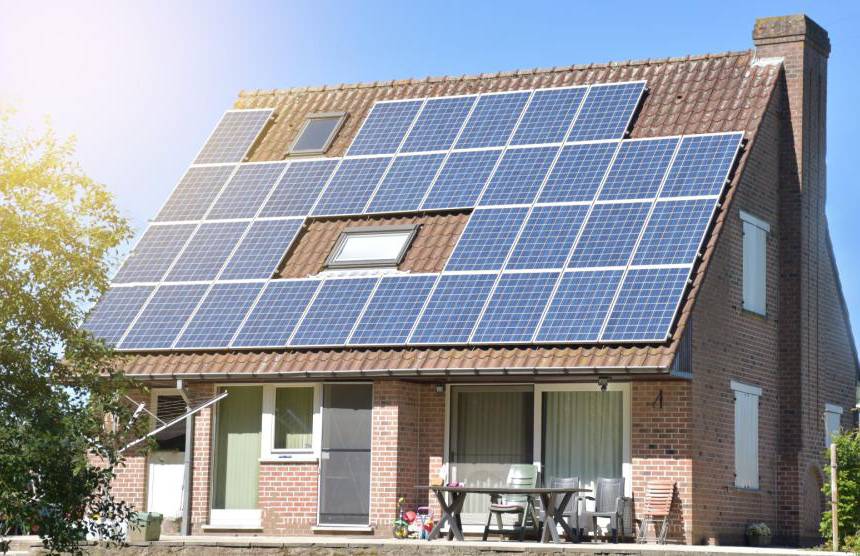
OPERATION OF PHOTOVOLTAIC PANELS
The photovoltaic panel consists of transforming the energy produced by the sun into electricity. To do this, solar panels will capture this energy and reinject it into electrical current into your home.
For them to work, it is not essential to live only in Queensland, because the quantity of current produced by the cell depends above all on the quantity of light it receives. So, even in Victoria, photovoltaic panels can produce electricity. However, they will receive more STCs for the same size system, and get a larger rebate.
Solar energy will therefore be transformed into electrical current that can be used in your home. In other words, via photovoltaic panels, you produce your own energy which you will then consume to power your home throughout the day, every day of the year.
Faced with the depletion and increasing cost of “traditional” resources such as oil, photovoltaic energy is an inexhaustible alternativ
The new generation of solar panels has arrived
Technologies are evolving, and with them, aerovoltaic solar panels which can now produce your electricity, your heating and your air conditioning. This helps you reduce your dependence on large Australian energy producers, and therefore save on your electricity bill each month.
If you are interested by installing solar panels, do not hesitate to request a free study of the capacity of your roof.
Testimonials
Very good, very clear in the explanations, much better than the canvassing companies that sell you dreams.

Adrian B.
your solar advisor was competent, he answered all our questions we are satisfied, it remains to be seen now the quality of the execution of the work we are waiting for...

Jack D.
Very good, very clear in the explanations, much better than the canvassing companies that sell you dreams.
Adrian B.
Thank you again for this exceptional service. We are really pleased with the installation team.

Ashley N.
Frequently asked questions
-
Are solar panels cheaper to buy in 2025?
Yes, solar panels are significantly cheaper to buy in 2025 in Australia compared to previous years.
There has been a dramatic drop in solar panel prices in 2025, with declines of around 20% on average compared to September 2024. Furthermore, in November 2024, prices fell due to increased demand in decline and an extremely large supply on the market. -
Without premiums, are solar panels still interesting?
Yes, even without premiums, solar panels remain interesting in Australia for several reasons:
Energy savings: By producing your own renewable energy, you become less dependent on the price of electricity from the grid and you reduce your energy bill
Affordable and efficient technology: Current solar panels are both affordable and efficient, with a long lifespan. Installation prices have fallen, which is favorable for investment in photovoltaics
Profitability: Despite the removal of certain premiums, solar panels can still offer a good return.
Resale of electricity: The possibility of reselling the electricity produced can accelerate the profitability of photovoltaic panels, even in the absence of premiums
VAT reduction: A reduced VAT rate of 6% for houses over 10 years old applies throughout Australia, reducing the initial cost of installation -
What is the cost of a Solar panel?
The cost of solar panels can vary considerably depending on a number of different factors. In Australia, solar panels cost varying amounts from one state to another. The three important factors that control the cost are the brand, the level of service and the quality of the parts and installation.
-
Can I also increase the size of my existing solar installation?
Have you already installed solar panels but you still consume more energy than you produce? Please note that you can supplement an existing solar panel installation with additional panels at any time. Better yet, it is even possible to place an additional installation in another location – on the roof of your garden shed, for example.
-
Is it recommended to request quotes from different suppliers?
-
What about the payback period for solar panels?
The payback time for solar panels in Australia varies depending on several factors.
The lifespan of solar panels is generally 25 to 30 years, which means that the savings after the depreciation threshold are net profits.
Companies and self-employed people can depreciate the installation for tax purposes over a period of 20 years, with a straight-line depreciation of 5% per year.
There is also an increased investment deduction of 15.5%, which further reduces the net cost of installation